

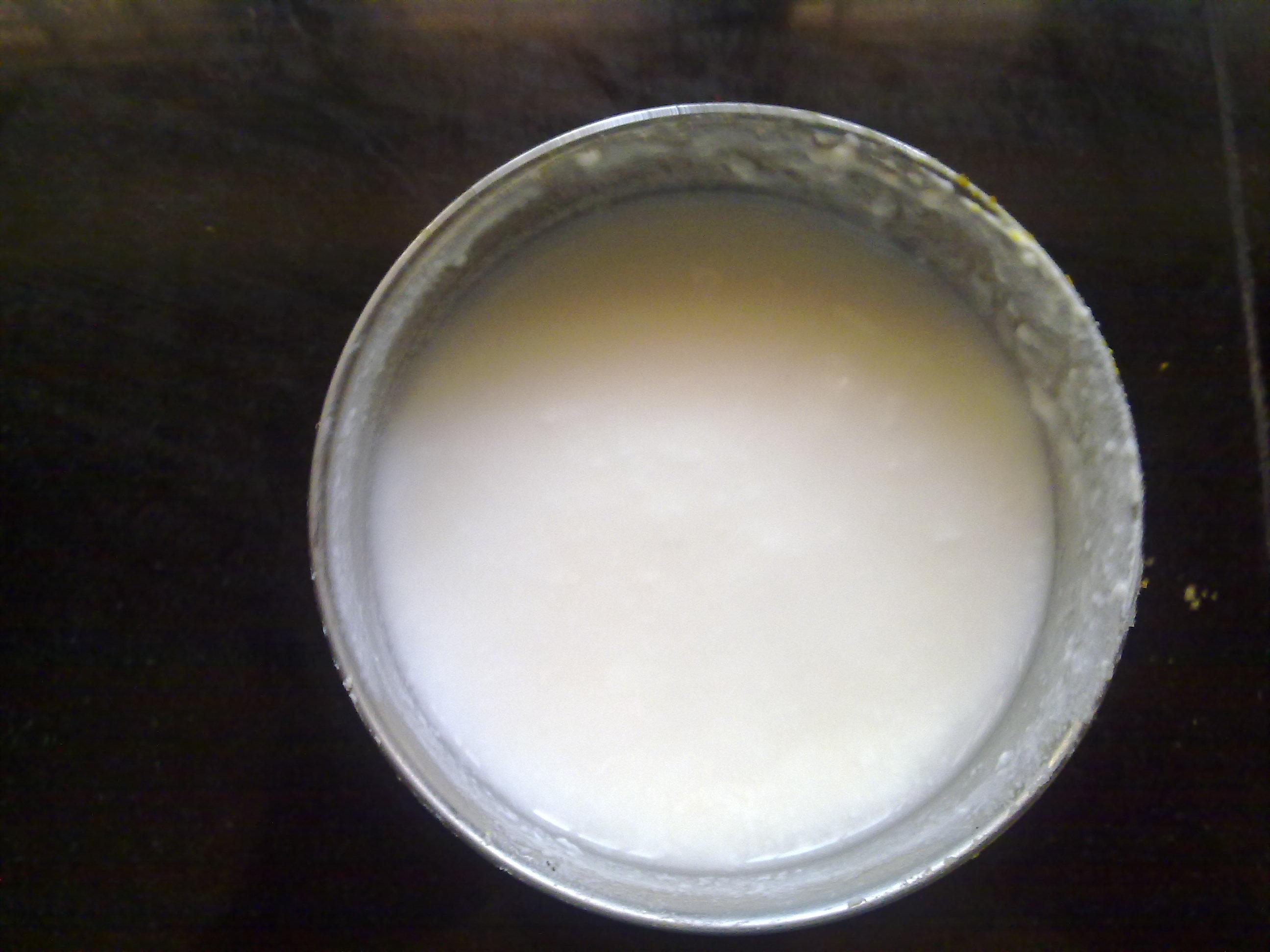
Short answer: a 100g serving of plain dahi has about 60-100 calories. The exact number depends on the milk it was set from. Dahi made from packaged cow milk sits near 60, while dahi set from the doodh wala's buffalo milk runs closer to 90-100. A normal katori, roughly 150g, lands around 90-150 calories, and a full cup, about 245g, is 150-240.
Dahi is one of the few Pakistani staples where the calorie question has a short answer. It is just milk, set with a culture. Nothing is fried, nothing is sweetened, no oil goes in. The milk decides nearly everything.
What the USDA numbers say
Plain whole milk yogurt, the closest standard match to homemade dahi, is 61 kcal per 100g with 3.5g of protein, 4.7g of carbs and 3.3g of fat, according to USDA FoodData Central. Low fat plain yogurt is 63 kcal per 100g, with more protein at 5.3g and only 1.6g of fat. Skim milk yogurt is 56 kcal per 100g. Strained Greek style yogurt, the thick kind sold in tubs, is a different food for protein: nonfat Greek yogurt is 59 kcal per 100g with 10.2g of protein, while whole milk Greek yogurt is 97 kcal per 100g with 9g of protein.
Those are cow milk figures. Pakistani homemade dahi is often buffalo milk, which carries roughly twice the fat of cow milk, so the honest range for a home set dahi is 60-100 kcal per 100g. If you know your milk came from a packet of low fat milk, use the low end. If it came from the doodh wala and a layer of malai forms on top, use the high end.
Dahi, compared
| Dahi | Portion | Calories | Protein | Carbs | Fat |
|---|---|---|---|---|---|
| Plain dahi, cow milk, homemade | 100g | 60-65 | 3-4 g | 4-5 g | 3-4 g |
| Plain dahi, buffalo milk, homemade | 100g | 85-100 | 4-5 g | 4-5 g | 6-8 g |
| Plain dahi, low fat milk | 100g | 55-65 | 5-6 g | 6-7 g | 1-2 g |
| Plain dahi, cow milk | 1 katori (~150g) | 90-100 | 5-6 g | 7-8 g | 5-6 g |
| Plain dahi, cow milk | 1 cup (~245g) | 145-155 | 8-9 g | 11-12 g | 8-9 g |
| Plain dahi, buffalo milk | 1 cup (~245g) | 210-245 | 10-12 g | 10-12 g | 15-19 g |
| Greek style yogurt, nonfat | 100g | 55-60 | 10 g | 3-4 g | 0-1 g |
| Raita, cucumber and onion | 100g | 45-60 | 2-3 g | 4-6 g | 2-4 g |
| Sweetened dahi, flavoured cup | 100g | 90-120 | 3-4 g | 15-20 g | 2-4 g |
The sweetened row is the one to watch. A flavoured cup from a shop looks like dahi and sits next to dahi in the fridge, but the sugar inside doubles the calories. One small 100g cup of sweetened dahi carries roughly what 200g of plain dahi does, with none of the extra protein.
Why one katori is not like another
Three things move the number. First the milk, which we covered. Second the portion, because a katori in one house is 100g and in another is 200g, and a steel bowl of dahi next to biryani can easily be 250g. Third, what gets stirred in. A spoon of sugar adds about 50 kcal. A drizzle of honey is much the same. Raita goes the other way: cucumber, onion and water stretch the dahi, so a bowl of raita has fewer calories per spoon than the dahi it started from.
Homemade and packaged dahi are closer than people expect. A plain packaged cup is made from standardised milk, so its numbers sit near the cow milk row above, and the label tells you exactly. Homemade dahi is a guess unless you know the milk. If your household sets dahi from full cream milk, log toward the top of the range. If the milk is toned or low fat, log toward the bottom.
Dahi and weight loss
Plain dahi is an easy food to keep while losing weight. A katori is around 100 calories, it has some protein, and it makes a plate of daal chawal or roti feel like a full meal. The protein is modest, about 3-5g per 100g for regular dahi, so it will not carry your daily protein target on its own. Our protein guide has the daily targets if you want to see where dahi fits.
The trap is not dahi itself. It is the sweetened cups and the sugar stirred into a morning bowl. Plain dahi with a pinch of salt or a spoon of raita is a different food, calorie wise, from dahi with two spoons of sugar, even though both start from the same pot.
How to track dahi in CalsFlow
In CalsFlow, type:
"1 katori homemade dahi, buffalo milk"
You get the calorie and macro estimate plus the assumptions behind it: the portion size it guessed, the milk, the fat. Eating the low fat packaged kind instead? Say so and the estimate drops. Having it as raita? Type "1 bowl cucumber raita" and the estimate accounts for the dilution. The trick is naming the milk and the portion, because those two lines decide nearly the whole number. Same approach as our guide to counting calories in Pakistani and desi food.
FAQs
How many calories in 1 cup of dahi?
About 150 kcal if it is cow milk dahi, and 210-245 kcal if it is buffalo milk dahi. A cup is roughly 245g, which is more than most people realise they are eating.
Is dahi good for weight loss?
Plain dahi, yes. It is low in calories for how filling it is, and it pairs with almost every Pakistani meal. Sweetened dahi is a different story, since the sugar can double the calories without adding fullness.
Does dahi have protein?
Some. Regular plain dahi has 3-5g of protein per 100g. Greek style strained yogurt has about double that, around 10g per 100g, which is why it shows up in high protein breakfasts.
Is homemade dahi healthier than packaged dahi?
For calories, they are close when the milk is the same. Packaged dahi has the advantage of a printed label, so you know what you are eating. Homemade dahi has the advantage of no added sugar or thickeners. Either works if you log the right milk and portion.
How many calories in dahi with roti?
A plain roti is about 70-100 kcal and a katori of dahi is about 90-150, so the pair lands around 160-250 kcal. It is one of the lightest full meals in a Pakistani kitchen, and the numbers for the other half are in our paratha calories guide if you swap the roti for a paratha.
Eating dahi with something else today? Describe the whole plate in CalsFlow and adjust the milk and portion lines. Get the app on the Google Play Store.
Cover photo: Netha Hussain via Wikimedia Commons (CC BY-SA 3.0).

CalsFlow provides nutrition estimates, not medical advice.